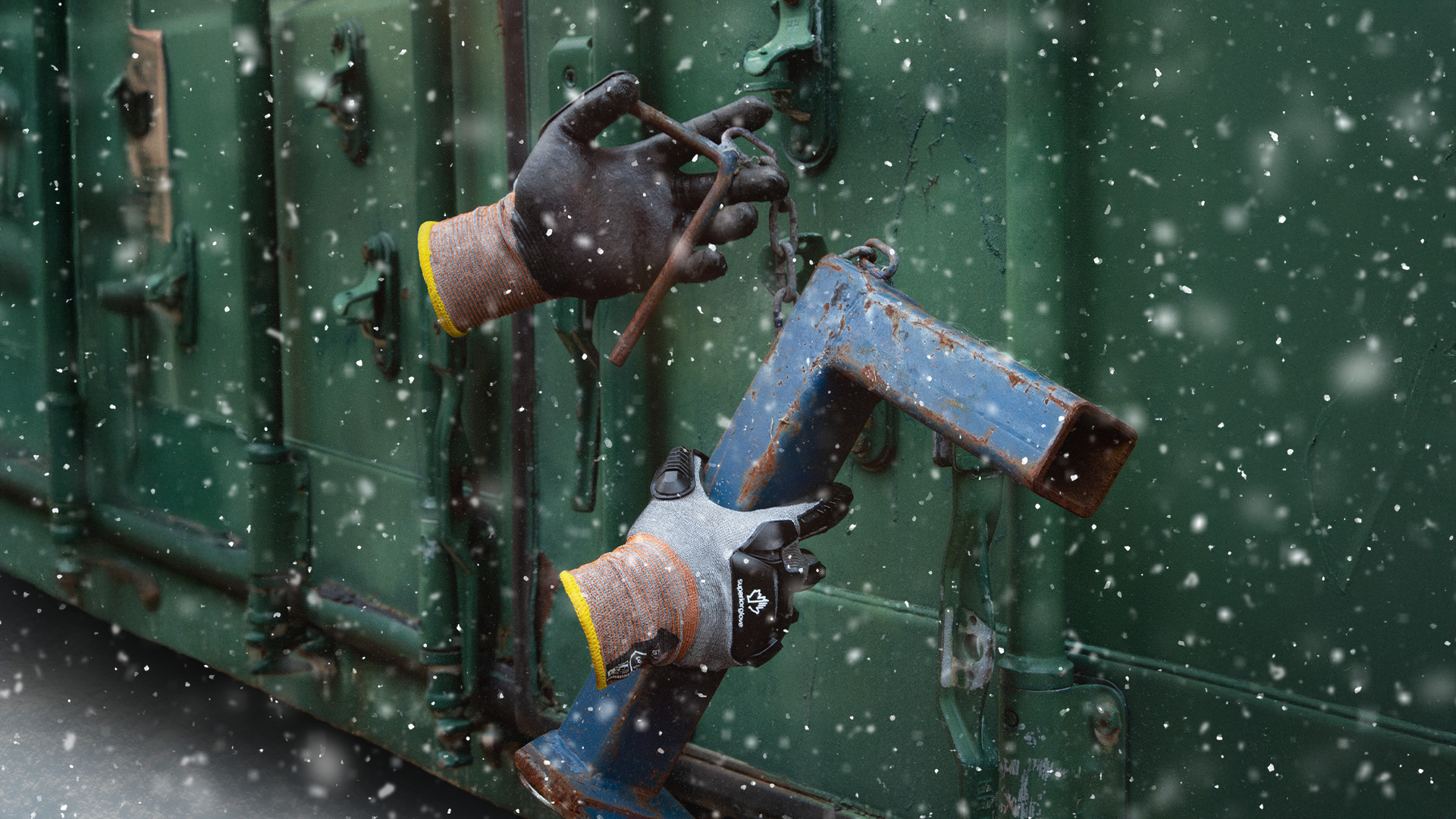
Get a Grip: Protecting hands in cold, wet conditions
When winter sets in, jobsite conditions evolve—and so should your PPE. Cold weather creates new safety challenges, and one of the most overlooked is grip. A tool slipping from a worker’s hand or a missed hold on a ladder can lead to serious injuries.
The right gloves can prevent that.
In this article, we’ll look at how cold and moisture affect grip, and which glove coatings are best suited to help workers maintain control in wet or icy conditions.
How Cold and Moisture Affect Grip
Exposure to cold temperatures affects how your hands function. As temperatures drop, your body reduces circulation to the fingers, making them feel stiff and less responsive.
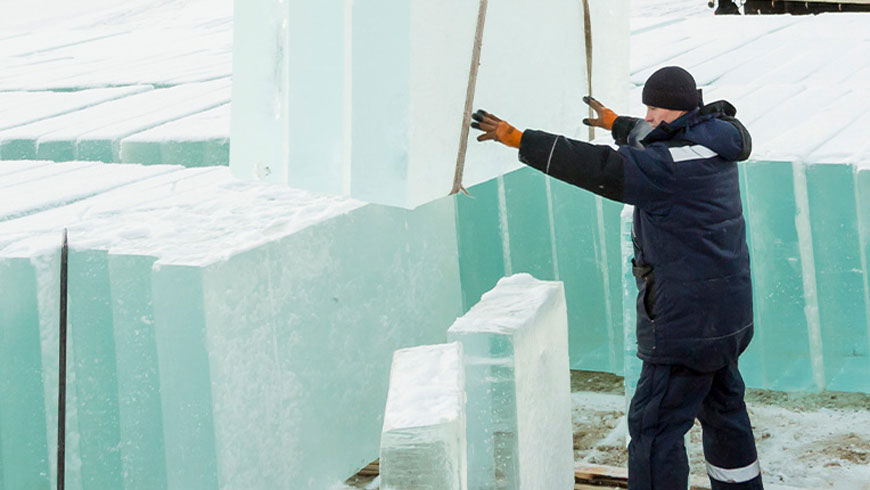
But it’s not only hands that are affected—cold and moisture also change how gloves perform. Glove coatings that feel secure in dry weather can become slick or stiff in wet, freezing conditions. Wet gloves also lose insulation faster, which leads to colder hands, slower reaction times, and ultimately less control.
That’s why winter gloves need to do two things well: keep hands insulated and use a coating that maintains reliable grip in cold, wet conditions.
Let’s take a closer look at the glove coatings that perform best in these environments.
Choosing the Right Glove Coating for Cold Conditions
Not all coatings perform the same in wet or freezing weather, so it’s important to know how each one behaves when temperatures drop.
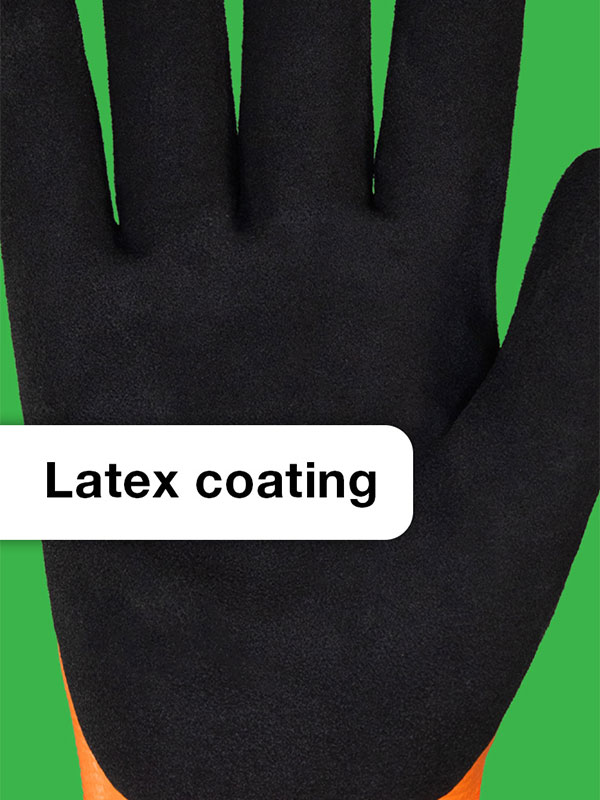
Latex
Made from natural rubber, it stays flexible in cold weather and provides excellent grip, especially on damp surfaces. Great for general material handling.

Nitrile
A synthetic rubber that excels in oily, wet, or abrasive conditions. When formulated for cold, it holds up well and maintains traction.
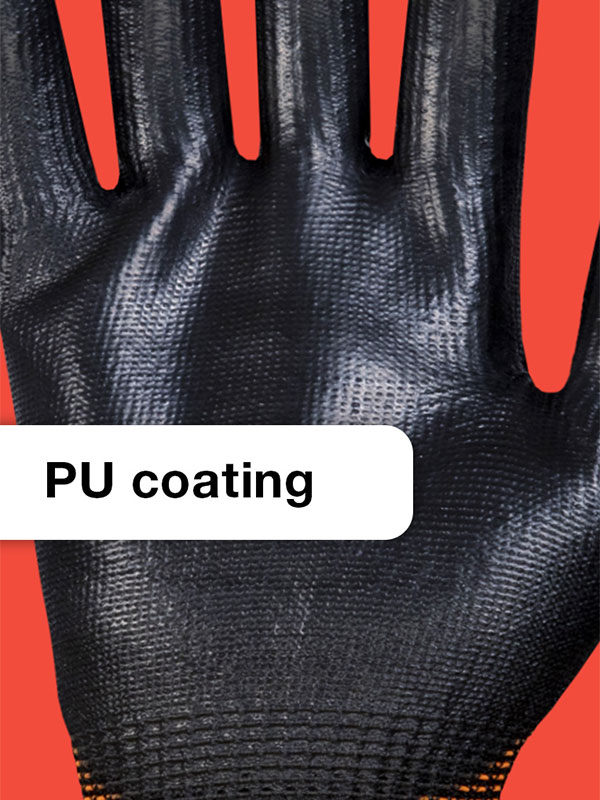
Polyurethane (PU)
Lightweight and highly dexterous, PU coating is good for precision work, but less effective in very wet or freezing conditions.
Across all coating types, a textured finish can significantly improve grip in winter conditions. Texturing increases surface contact, helping gloves maintain traction on wet, icy, or slippery materials.
After Coatings, What Else Matters?
Glove coating drives grip performance but choosing the right winter glove also means considering how the rest of the glove supports comfort and control.
- Insulation: Workers need to move their fingers freely. If insulation is too bulky, it restricts movement; if it’s too light, hands get cold and lose dexterity—both of which reduce grip. If you want to read more about insulation in winter gloves, check out our blog on cold-resistant gloves.
- Fit: Don’t underestimate the importance of fit. A glove that’s too tight can restrict circulation and compress the insulation, reducing its effectiveness, while one that’s too loose will reduce grip accuracy. If you’re unsure about sizing, check out our glove sizing guide to help you choose the right fit.
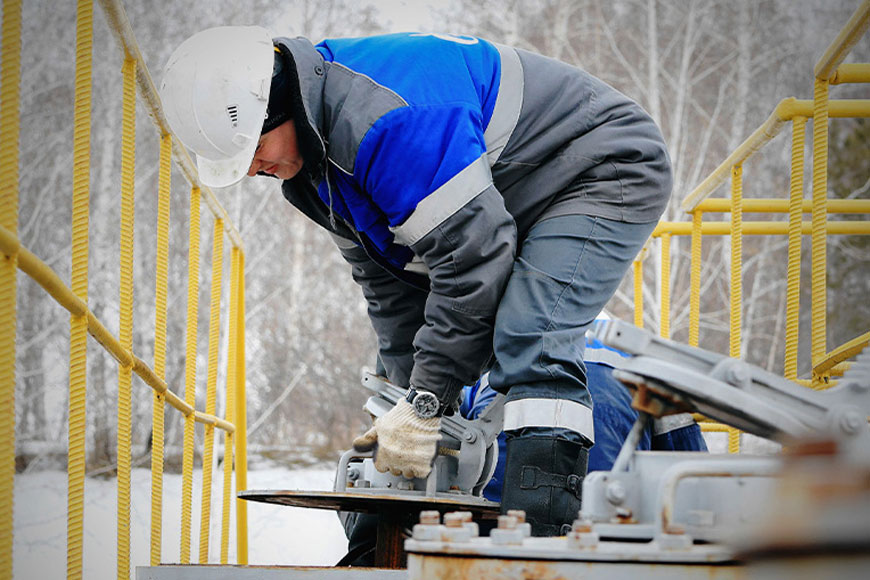
Beyond gloves, day-to-day practices also influence how well grip holds up in winter conditions. Consider the following on-site practices:
- Encourage regular warm-up breaks to restore hand flexibility. Promote quick hand stretches or flexing during downtime to maintain circulation.
- Keep spare gloves on site. Wet gloves quickly reduce your grip and weaken insulation.
- Inspect tools and gloves before use. Before every shift or task, check tool handles for ice, frost, or moisture. Glove coatings should be clean and intact. Shiny, smooth, or worn palms weaken your grip.
- Adjust work technique as needed. In cold conditions, movements slow down. Encourage workers to use two-hand grips when lifting or operating equipment and take extra care when working at height or on slick surfaces.
Grip Is a Safety Feature, Not a Bonus
Winter brings conditions that make grip harder to maintain. The right gloves can support control, but they need to match the environment your team is working in.
Take a moment to assess your current gloves. Are they suited to cold, wet conditions? Are worn styles being cycled out? Are workers aware of the factors that affect grip? Small adjustments to glove selection can make winter tasks safer and more manageable.